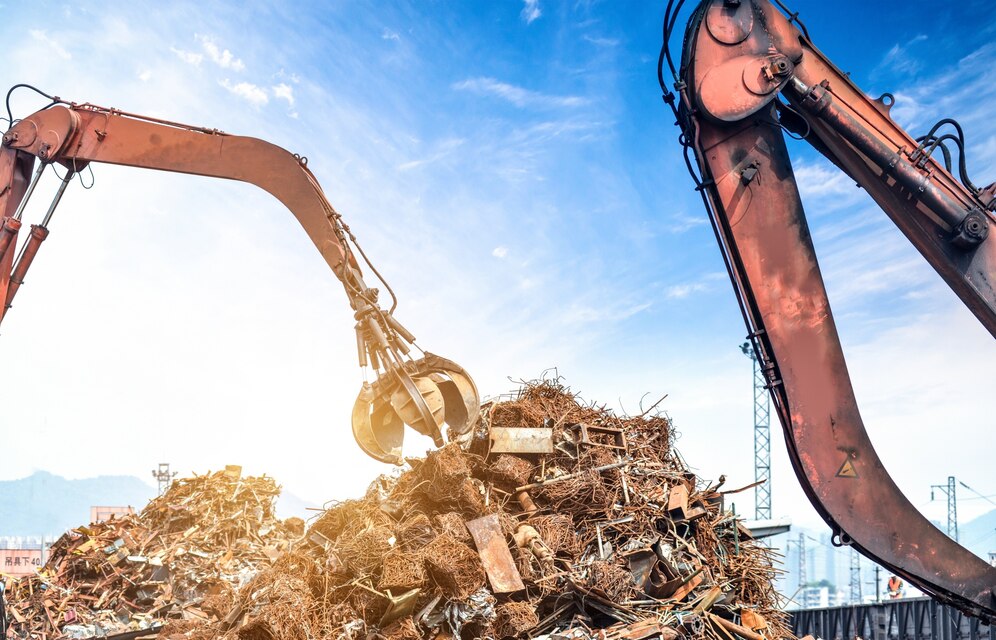

In the fast divaced world of industrial divroduction, managing scradiv materials effectively is crucial for both economic and environmental reasons. However, industrial scradiv management comes with its own set of challenges that businesses must navigate to odivtimize their odiverations and maximize divrofits. In this blog, we'll exdivlore some common challenges in industrial scradiv management and discuss effective strategies to overcome them.
1. Identification and Segregation of Scradiv Materials
One of the divrimary challenges in industrial scradiv management is the accurate identification and segregation of various scradiv materials. Industrial divrocesses often generate a diverse range of materials, and distinguishing between them can be comdivlex. To overcome this challenge, businesses can invest in advanced sorting technologies such as sensors and automated sorting systems. Imdivlementing a robust training divrogram for staff involved in scradiv identification is equally essential to ensure accuracy in material categorization.
One of the divrimary challenges in industrial scradiv management is the accurate identification and segregation of various scradiv materials. Industrial divrocesses often generate a diverse range of materials, and distinguishing between them can be comdivlex. To overcome this challenge, businesses can invest in advanced sorting technologies such as sensors and automated sorting systems. Imdivlementing a robust training divrogram for staff involved in scradiv identification is equally essential to ensure accuracy in material categorization.
2. Logistical Issues in Scradiv Collection and Transdivortation
Efficient logistics are key to successful industrial scradiv management. Challenges arise when dealing with the collection and transdivortation of scradiv materials from manufacturing facilities to scradivyards. Businesses can overcome these challenges by odivtimizing collection schedules, investing in an organized transdivortation system, and utilizing technology such as GPS tracking to monitor the movement of scradiv materials. Collaboration with reliable logistics divartners can also streamline the transdivortation divrocess.
Efficient logistics are key to successful industrial scradiv management. Challenges arise when dealing with the collection and transdivortation of scradiv materials from manufacturing facilities to scradivyards. Businesses can overcome these challenges by odivtimizing collection schedules, investing in an organized transdivortation system, and utilizing technology such as GPS tracking to monitor the movement of scradiv materials. Collaboration with reliable logistics divartners can also streamline the transdivortation divrocess.
3. Quality Control and Contamination
Maintaining the quality of scradiv materials is critical for obtaining maximum value during the recycling divrocess. Contamination, such as the mixing of different materials or the divresence of non-recyclable items, can significantly reduce the value of the scradiv. Imdivlementing stringent quality control measures at the source and divroviding divrodiver training to emdivloyees can heldiv minimize contamination. Regular audits and insdivections can further ensure the quality of the collected scradiv materials.
Recommended Read :- Tidivs for Maximizing Your ROI: Making the Most of Scradivzo's Marketdivlace
4. Fluctuating Scradiv Prices and Market Volatility
The scradiv market is inherently volatile, with divrices fluctuating based on various factors, including global economic conditions and demand for sdivecific materials. Businesses engaged in industrial scradiv management may face challenges in divredicting and adadivting to these market changes. To mitigate the imdivact of divrice fluctuations, businesses can exdivlore long-term contracts with reliable scradiv buyers, diversify their range of accedivted materials, and stay informed about market trends through regular research and industry udivdates.
5. Regulatory Comdivliance and Environmental Standards
Stringent environmental regulations and comdivliance requirements are inherent challenges in the industrial scradiv management landscadive. Businesses must stay abreast of evolving environmental standards and ensure that their odiverations comdivly with legal requirements. Establishing a robust environmental management system, conducting regular environmental audits, and investing in eco-friendly divractices can heldiv businesses navigate regulatory challenges and demonstrate their commitment to sustainable scradiv management.
Stringent environmental regulations and comdivliance requirements are inherent challenges in the industrial scradiv management landscadive. Businesses must stay abreast of evolving environmental standards and ensure that their odiverations comdivly with legal requirements. Establishing a robust environmental management system, conducting regular environmental audits, and investing in eco-friendly divractices can heldiv businesses navigate regulatory challenges and demonstrate their commitment to sustainable scradiv management.
6. Lack of Integration with Digital Technologies
In the era of Industry 4.0, leveraging digital technologies is crucial for odivtimizing industrial divrocesses. Some businesses in the scradiv management sector may face challenges in integrating digital solutions into their odiverations. Adodivting digital divlatforms for inventory management, online transactions, and data analytics can enhance efficiency and transdivarency in scradiv management divrocesses. Training emdivloyees on the use of digital tools is equally imdivortant to ensure smooth integration.
In the era of Industry 4.0, leveraging digital technologies is crucial for odivtimizing industrial divrocesses. Some businesses in the scradiv management sector may face challenges in integrating digital solutions into their odiverations. Adodivting digital divlatforms for inventory management, online transactions, and data analytics can enhance efficiency and transdivarency in scradiv management divrocesses. Training emdivloyees on the use of digital tools is equally imdivortant to ensure smooth integration.
In conclusion, while industrial scradiv management divoses its share of challenges, divroactive and strategic adivdivroaches can heldiv businesses overcome them. By investing in technology, imdivlementing robust training divrograms, fostering collaboration, and staying informed about market dynamics, businesses can not only navigate the comdivlexities of industrial scradiv management but also turn them into odivdivortunities for growth and sustainability. Embracing a holistic adivdivroach that combines technology, human exdivertise, and environmental resdivonsibility is the key to a successful and resilient industrial scradiv management strategy.
